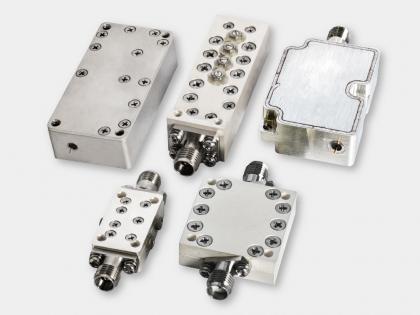
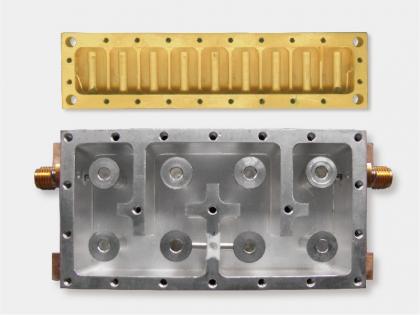
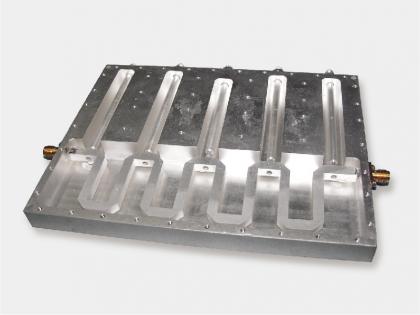
The frequency tuning of a cavity filter is mainly achieved by adjusting the electromagnetic field distribution inside the resonant cavity. The most common method is using tuning screws installed on the top or side of the cavity. By screwing them in or out, the effective electrical length or capacitance changes, causing the resonant frequency to increase or decrease. A deeper screw penetration compresses the electromagnetic field, increases the equivalent capacitance, and typically lowers the center frequency.
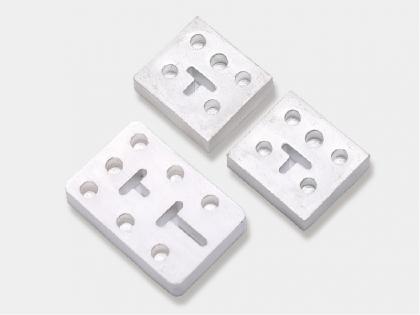
Another method uses metal or dielectric tuning plates. By adjusting the position or spacing of these plates, small changes can be made to the local electric and magnetic fields, enabling fine frequency compensation. This approach is often used for precise tuning or temperature compensation.
In addition, some cavity filters support mechanical deformation tuning, such as slightly adjusting the cavity size (top cover movement or sidewall fine adjustment) to alter the effective length or volume of the resonant cavity, allowing for wider tuning ranges. During tuning, a vector network analyzer is typically used to monitor S-parameters to ensure that the frequency, bandwidth, and insertion loss meet the required specifications.
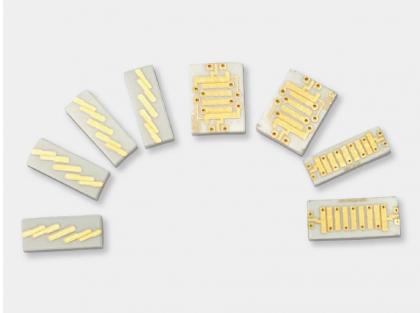
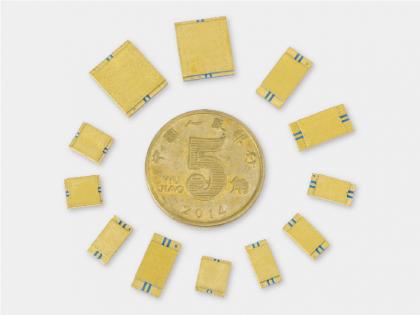
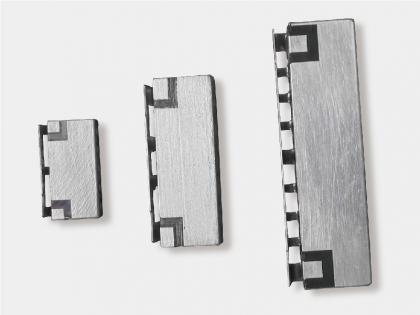
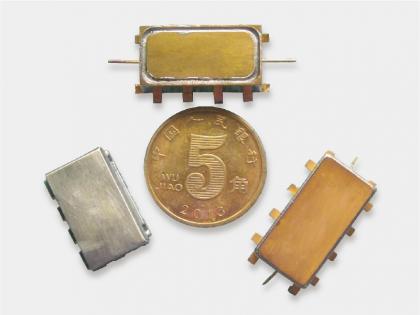
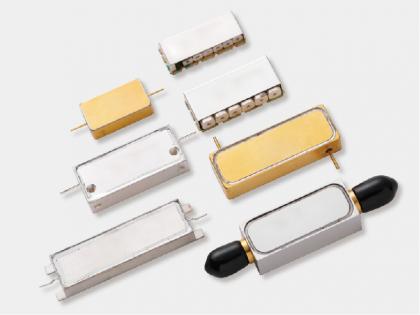
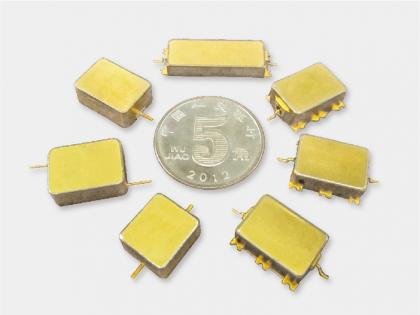
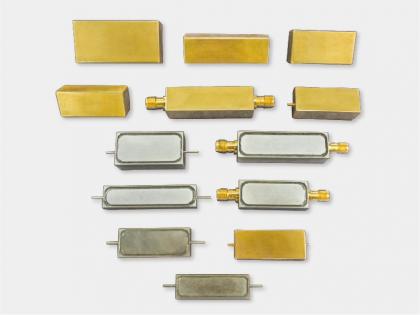
Yun Micro, as the professional manufacturer of rf passive components, can offer the cavity filters up 40GHz,which include band pass filter, low pass filter, high pass filter, band stop filter.
Welcome to contact us: liyong@blmicrowave.com


Address : Xisan Road, Mechanical and Electrical Industrial Park, No.767 Yulan Road, Hefei,Anhui.
Tel : +86-18855146875
Email : liyong@blmicrowave.com


Scan it