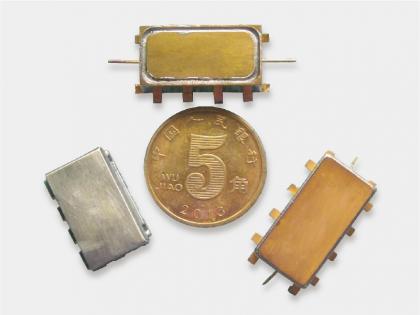
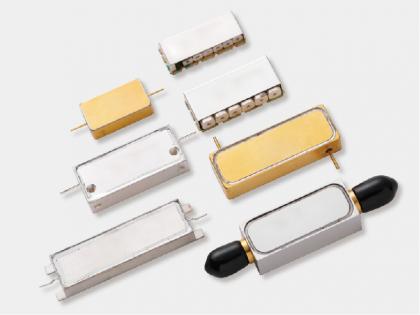
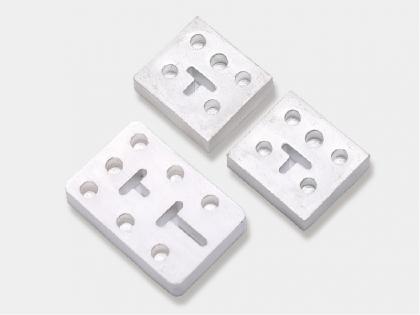
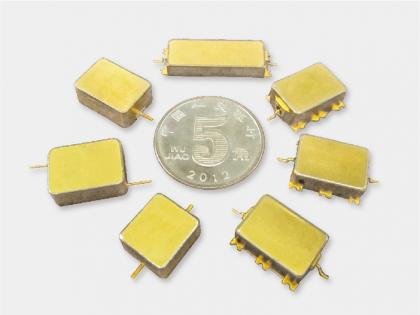
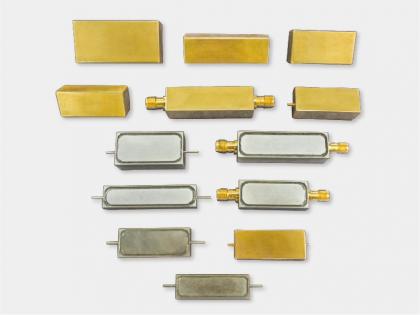
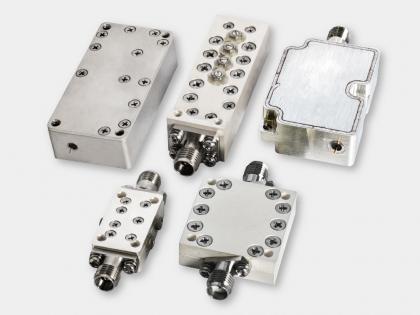
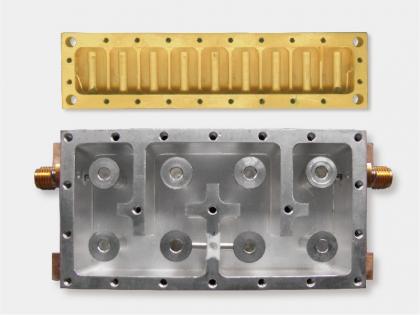
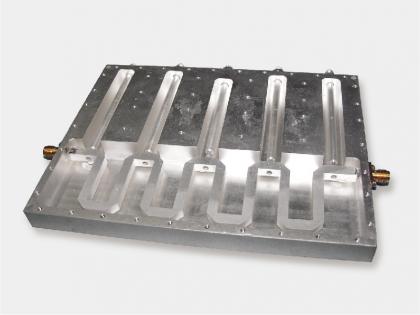
Dielectric filters and LTCC filters differ significantly in structure, performance focus, and application scenarios. Dielectric filters typically use high-permittivity ceramic resonators and achieve resonance through cavity or rod-type structures. They are three-dimensional components with relatively larger size, but each resonator offers a high quality factor (Q) and low insertion loss, making them suitable for RF signal chains with demanding performance requirements.
In terms of performance, dielectric filters provide higher Q values and better power-handling capability, with excellent frequency stability and out-of-band rejection. They are well suited for medium- to high-power applications where linearity and temperature stability are critical. However, they are less favorable for high integration, and their tuning and assembly costs are relatively higher.
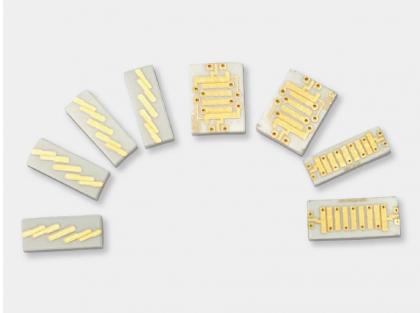
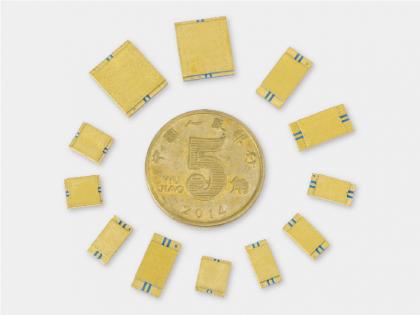
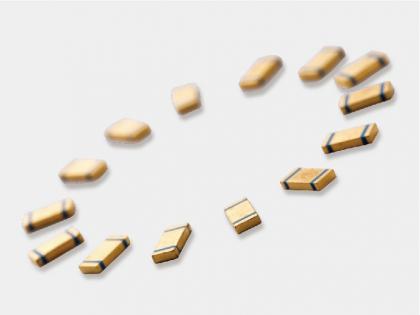
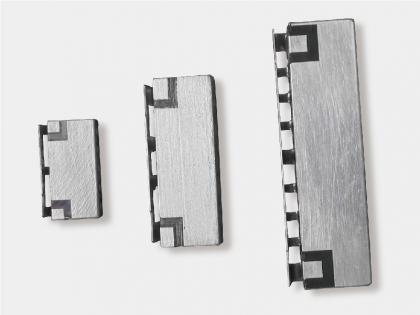
LTCC filters are based on low-temperature co-fired ceramic technology, integrating multilayer conductors and dielectrics into a compact, planar, and modular structure. They are small in size, highly integrable, and easy to combine with other passive components or RF modules. Their Q factor and power-handling capability are generally lower than those of dielectric filters, making them more suitable for miniaturized, low- to medium-power communication terminals and high-density RF module applications.
Yun Micro, as the professional manufacturer of rf passive components, can offer the cavity filters up 40GHz,which include band pass filter, low pass filter, high pass filter, band stop filter.
Welcome to contact us: liyong@blmicrowave.com


Address : Xisan Road, Mechanical and Electrical Industrial Park, No.767 Yulan Road, Hefei,Anhui.
Tel : +86-18855146875
Email : liyong@blmicrowave.com


Scan it