The quality factor (Q factor) of a filter is a key parameter that describes its frequency selectivity and energy loss characteristics. It reflects the filter’s ability to concentrate on a specific frequency range. In general, the Q factor is related to the center frequency and bandwidth: a higher Q indicates stronger frequency selectivity and better confinement of the desired signal.
In terms of performance, a high-Q filter has a narrower passband and can effectively suppress adjacent-channel interference, making it suitable for applications requiring high frequency stability and isolation. A low-Q filter, on the other hand, has a wider passband, offering greater tolerance to frequency variation but weaker adjacent-frequency rejection. The Q factor is also closely related to internal losses—lower losses typically result in a higher Q.
In practical applications, the Q factor must be balanced against implementation constraints. An excessively high Q can increase filter size, complicate tuning, and make the design more sensitive to temperature changes and manufacturing tolerances. Selecting an appropriate Q factor helps achieve stable and reliable filter performance in communication, RF front-end, and signal processing systems.
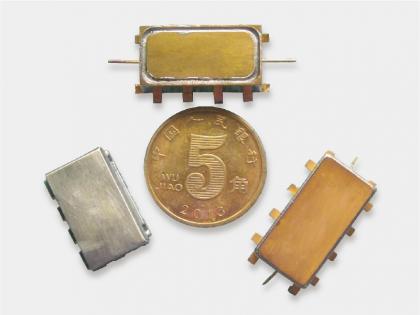
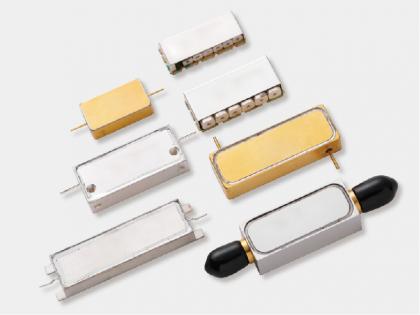
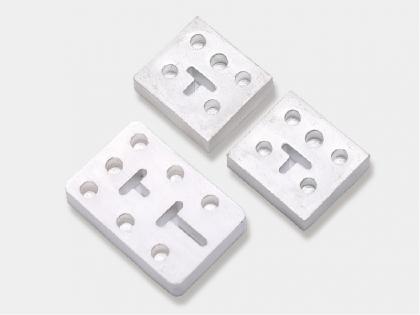
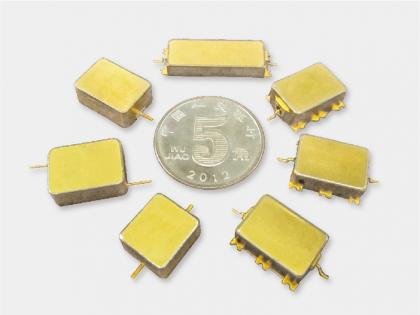
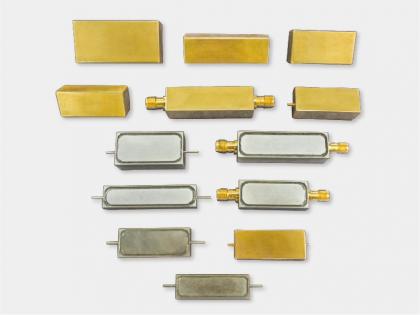
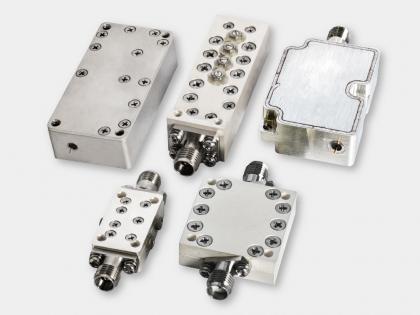
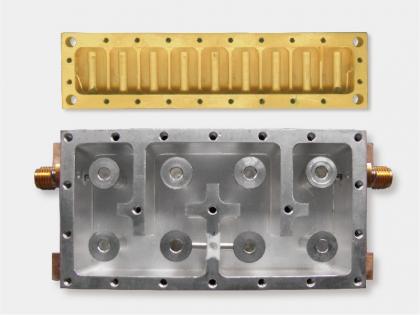
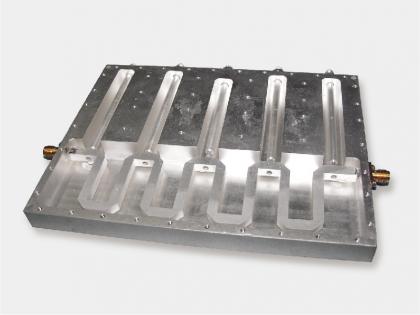
Yun Micro, as the professional manufacturer of rf passive components, can offer the cavity filters up 40GHz,which include band pass filter, low pass filter, high pass filter, band stop filter.
Welcome to contact us: liyong@blmicrowave.com


Address : Xisan Road, Mechanical and Electrical Industrial Park, No.767 Yulan Road, Hefei,Anhui.
Tel : +86-18855146875
Email : liyong@blmicrowave.com


Scan it