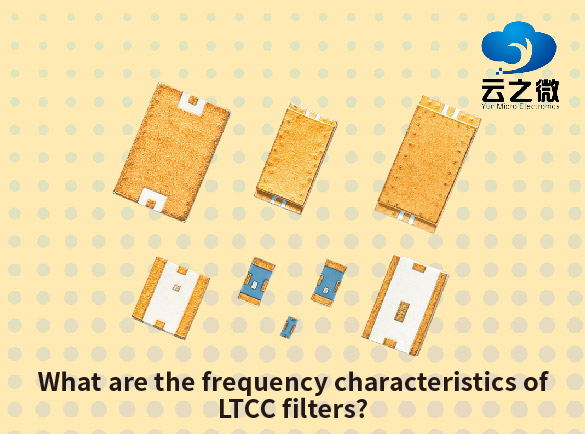
The frequency characteristics of LTCC filters are mainly reflected in the following aspects: First, LTCC filters have good frequency selectivity. By integrating inductors, capacitors, and other passive components within a multilayer ceramic substrate, high-order filter structures can be formed. This allows low signal loss within the desired passband while effectively suppressing unwanted frequenci...
The frequency tuning of a cavity filter is usually achieved by changing the effective electrical length of the resonant cavity. The most common method is to use tuning screws or tuning rods. When the tuning screw is inserted deeper, it increases the capacitive or inductive effect inside the cavity, which lowers the resonant frequency. When the screw is withdrawn, the coupling effect decreases, cau...
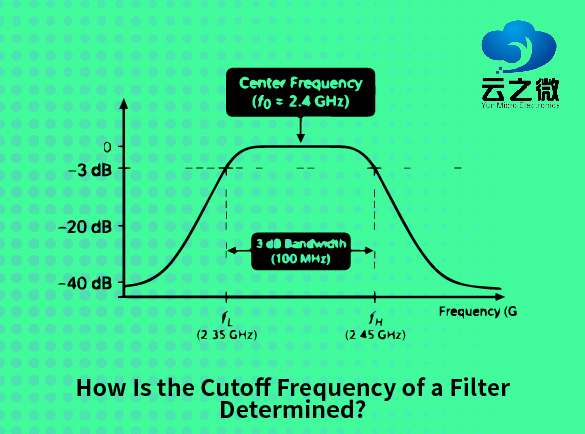
How Is the Cutoff Frequency of a Filter Determined? The cutoff frequency of a filter is primarily determined by the application requirements, target signal frequency range, and filter performance specifications. It is generally calculated by considering several parameters, including the passband and stopband requirements, 3dB bandwidth, insertion loss, and out-of-band rejection. For RF filters, th...