When working on electronic signal processing, communication systems, or audio equipment projects, choosing between standard filters and custom filters depends on specific technical requirements, budget constraints, and performance needs. Here’s a comparative analysis of the two options: 1. Standard Filters (Off-the-Shelf Filters) Ideal for:General signal processing needs, such as routine filtering...
Quick Answer: To choose the right bandpass filter for RF and microwave applications, first define your exact center frequency (f0) and required passband bandwidth. Next, evaluate critical performance metrics such as insertion loss (to maintain signal strength), return loss / VSWR, and out-of-band rejection (to eliminate interference). Finally, select the appropriate filter technology—such as cavit...
When an engineer sends us a filter requirement, the conversation rarely starts with the quality factor. It starts with the center frequency, the bandwidth, the rejection targets. But within a few emails, the Q factor ends up deciding most of the design, because it sets how sharply a filter can separate the passband from everything around it, and how much signal you lose getting through. This artic...
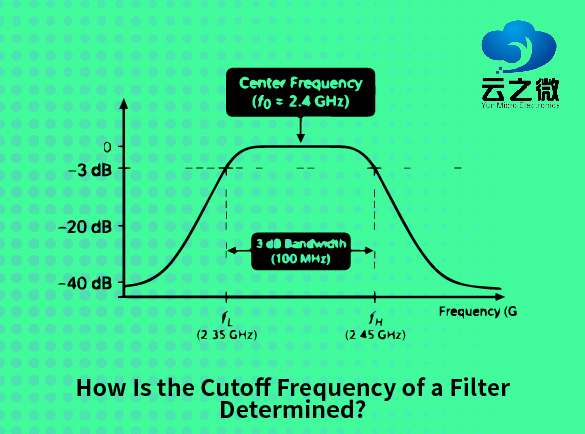
How Is the Cutoff Frequency of a Filter Determined? The cutoff frequency of a filter is primarily determined by the application requirements, target signal frequency range, and filter performance specifications. It is generally calculated by considering several parameters, including the passband and stopband requirements, 3dB bandwidth, insertion loss, and out-of-band rejection. For RF filters, th...